
Living Safely with Food Allergies
Discover practical strategies, evidence-based alternatives, and community support for managing food allergies with confidence. Your guide to allergen-free living starts here.

Allergen Safety
Learn how to identify, avoid, and safely manage the top food allergens including peanuts, tree nuts, milk, eggs, shellfish, and more.
Smart Alternatives
Explore nutritious substitutes and ingredient swaps that let you enjoy meals without compromising on taste, texture, or health benefits.
Community Support
Connect with others navigating food allergies, share experiences, and access evidence-based advice from our editorial team and experts.
Understanding Your Food Allergies
Food allergies affect millions in the UK and worldwide. Understanding what triggers reactions and how to respond is essential for safe, confident living. Here's what you need to know.
Identify Your Triggers
The first step is knowing which foods cause reactions. Common allergens include milk, eggs, peanuts, tree nuts, fish, shellfish, soy, wheat, and sesame. Keep a food diary, note any symptoms, and consult available resources to pinpoint your specific triggers.
Learn Label Reading
Mastering food labels is crucial for safety. Look for allergen declarations, ingredient lists, and "may contain" warnings. In the UK, major allergens must be clearly highlighted. Understanding cross-contamination risks helps you make informed choices when shopping and dining.
Plan Safe Meals
Creating allergen-free meal plans ensures nutrition without risk. Focus on naturally safe whole foods, learn substitute ingredients, and prepare meals at home where you control preparation. Proper planning reduces anxiety and builds confidence around eating.
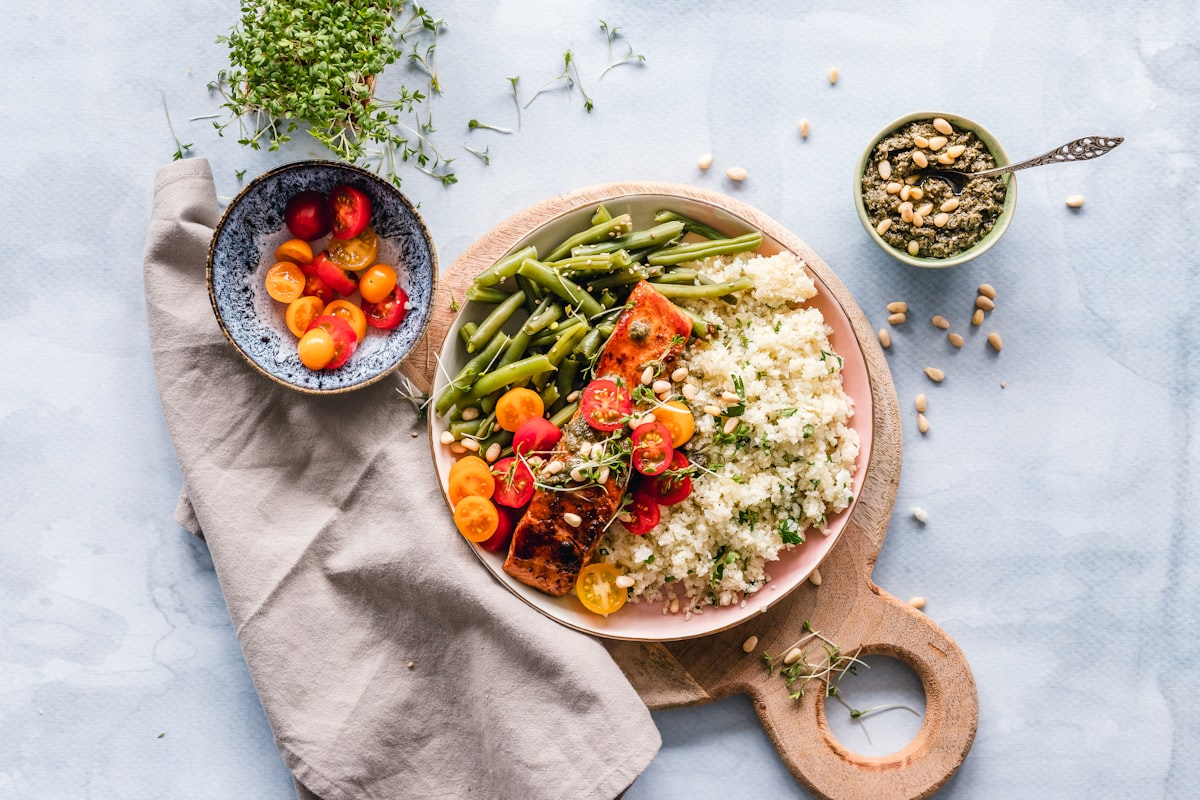
Safe Substitutes for Every Allergen
One of the biggest challenges with food allergies is finding satisfying replacements. Whether you're avoiding dairy, gluten, nuts, or eggs, there are dozens of nutritious alternatives that work beautifully in everyday cooking.
- Plant-based milks: Oat, almond, soy, and coconut milk offer similar textures for cooking and baking
- Egg replacers: Applesauce, flax eggs, and aquafaba work in many recipes
- Nut alternatives: Seeds like sunflower and tahini provide similar nutrition and flavour
- Gluten-free grains: Rice, quinoa, corn, and certified gluten-free oats expand your meal options
Why Choose Mindful Eating Soul
We're dedicated to providing evidence-based guidance and real-world support for people living with food allergies across the United Kingdom.
Editorial Expertise
Our team researches and presents reliable information on food allergies, alternatives, and safe eating practices to help you make informed decisions.
Community-Focused
We believe in the power of shared experiences. Our platform connects people with allergies, creating a supportive space for learning and mutual encouragement.
Practical Solutions
We focus on actionable advice—ingredient swaps, meal planning tips, label reading strategies, and dining-out guidance you can use immediately.
Success Stories from Our Community
Real people sharing how they've adapted to food allergies and discovered a healthier, more confident approach to eating.
"I was diagnosed with a severe peanut allergy five years ago, and the initial shock was overwhelming. Thanks to the detailed alternative guides and meal planning resources, I now cook confidently at home and know exactly what to order at restaurants. The community here makes all the difference—I no longer feel isolated."
Sarah Mitchell
Manchester, UK
"My son developed a milk allergy when he was three, and I panicked about his nutrition and social life. The ingredient substitution guides and label-reading tips gave me practical solutions. He now enjoys birthday parties and packed lunches without anxiety. This platform has been invaluable."
Emma Thompson
Edinburgh, UK
"I discovered my shellfish allergy as an adult and felt my food options had shrunk dramatically. The comprehensive alternative ingredients section showed me how to adapt all my favourite recipes. I'm eating better and more creatively than ever before. Highly recommend this resource."
David Chen
London, UK
Stay Informed on Food Allergies
Subscribe to receive our latest articles, safe eating guides, and community updates delivered to your inbox.
We respect your privacy. Unsubscribe anytime.
Common Questions About Food Allergies
Find answers to frequently asked questions about identifying, managing, and living safely with food allergies.
What is the difference between a food allergy and intolerance?
A food allergy involves an immune system response that can be serious, while food intolerance (like lactose intolerance) is a digestive issue. Allergies can trigger immediate reactions ranging from mild itching to severe anaphylaxis. Intolerances typically cause bloating, gas, or stomach discomfort. Both require dietary management, but allergies require stricter avoidance.
How do I identify hidden allergens in processed foods?
Check the ingredient list carefully and look for allergen declarations, usually highlighted at the bottom. Many products contain "may contain" warnings. Learn ingredient names that hide allergens (for example, whey is milk). When in doubt, contact the manufacturer or choose certified allergen-free products. Always read labels even on familiar products, as recipes change.
Can children outgrow food allergies?
Some allergies, particularly to milk, eggs, and soy, can be outgrown—especially when managed early with proper support. Peanut and tree nut allergies are less likely to resolve. Every child is different. Regular monitoring and consultation with available resources helps track changes over time and adapt management strategies accordingly.
What should I pack in an allergy-friendly lunch box?
Focus on naturally safe whole foods: fresh fruit, vegetables, certified allergen-free bread, meat, fish, or plant-based proteins. Use alternative spreads instead of peanut butter. Pack ingredients separately to prevent cross-contamination. Label everything clearly. Include a written note about allergens. Prepare meals at home where you control all ingredients and preparation methods.
How do I explain my allergy when dining out?
Before visiting, research the menu and allergen information online. Call ahead to speak with kitchen staff about your specific allergen. When ordering, clearly state your allergy—avoid vague language like "I prefer without." Ask about preparation methods and cross-contamination risks. Many restaurants have allergen guides. Bring a card listing your allergen for additional clarity with staff.
Are there nutritional concerns with an allergen-free diet?
With careful planning, an allergen-free diet can be completely nutritious. Use alternative milks fortified with calcium and vitamin D, eat diverse protein sources, choose whole grains, and include plenty of fruits and vegetables. Focus on getting varied nutrients from safe foods. Our guides emphasize balanced alternatives that maintain nutritional value without compromising safety.
Join Our Allergy-Aware Community
Explore comprehensive guides, discover safe alternatives, and connect with thousands of people confidently managing food allergies.